Your roof is designed to protect your home from rain, wind, snow, sun, and changing weather conditions. However, many homeowners overlook another common threat to their roofing system: wildlife. Birds, squirrels, raccoons, bats, mice, and other animals can cause serious roof damage if they find a way onto or into your home.
At K&M Roofing and Contracting, we understand that animal-related roof damage can lead to costly repairs, moisture problems, insulation damage, and even structural concerns. Wildlife-proofing your roof is an important part of protecting your home and preventing small problems from turning into major roofing issues.
Why Animals Are Attracted to Your Roof
Animals are often drawn to roofs because they offer shelter, warmth, protection, and access to attic spaces. During colder months, wildlife may look for a warm place to nest. During spring and summer, animals may search for safe areas to raise their young. If your roof has loose shingles, damaged flashing, open vents, gaps near the soffit, or weak areas around the roofline, animals may see these spaces as easy entry points.
Trees that hang over your roof can also make your home more accessible. Squirrels, raccoons, and other climbing animals can use branches as a bridge to reach shingles, gutters, vents, and attic openings. Once animals discover a possible entry point, they may chew, claw, or push their way inside.
Common Types of Animal-Related Roof Damage
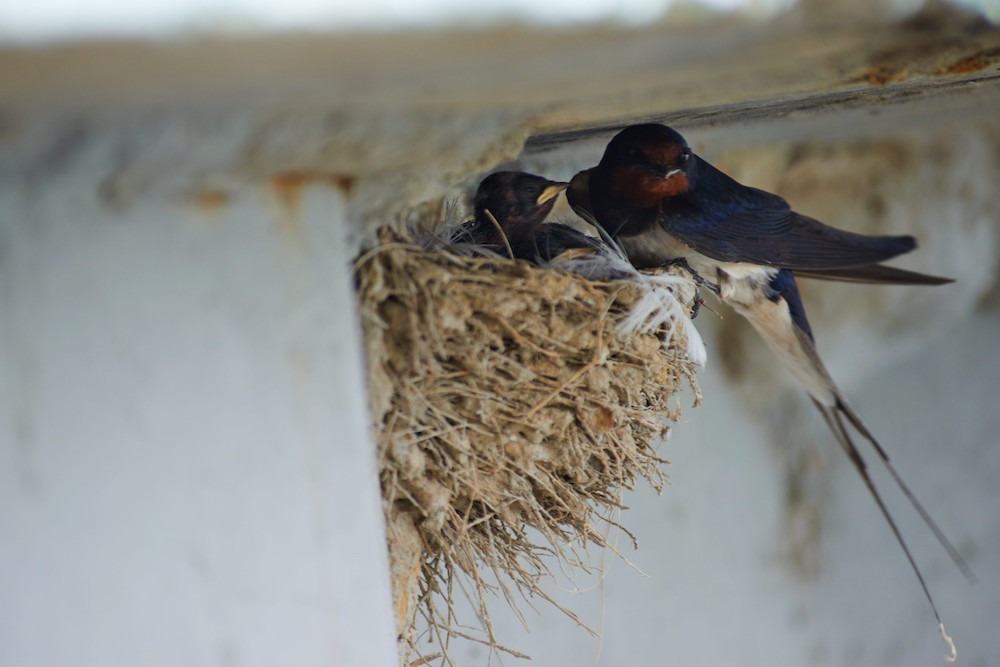
Wildlife can damage your roofing system in several ways. Squirrels and rodents may chew through wood, fascia boards, soffits, vents, and even certain roofing materials. Raccoons are strong enough to lift shingles, damage vents, and enlarge small openings. Birds may build nests in gutters, vents, chimneys, or roofline gaps, which can block airflow and drainage.
Even small animals can create big problems. Mice and bats may enter through very small openings, especially around vents, trim, or damaged areas of the roof. Once inside, they can contaminate insulation, create odors, and contribute to moisture problems. Over time, these issues may affect your attic, ventilation system, and roof performance.
Signs Wildlife May Be Damaging Your Roof
Homeowners should pay attention to warning signs that animals may be accessing the roof or attic. Scratching, scurrying, or rustling sounds above the ceiling may indicate animal activity. You may also notice damaged shingles, loose vents, torn flashing, nesting materials, droppings, or unexplained odors.
Gutters that are clogged with nesting debris, chew marks along the roofline, or visible gaps near soffits and fascia boards can also suggest a wildlife problem. If you see animals frequently traveling across your roof or entering a specific area, it is important to have the roof inspected before the damage gets worse.
Roof Inspection Is the First Step
The best way to prevent animal-related roof damage is to identify vulnerable areas before wildlife gets inside. A professional roof inspection can help locate loose shingles, damaged flashing, open gaps, weak roofline materials, clogged gutters, damaged vents, and other problem areas.
At K&M Roofing and Contracting, our team can evaluate your roofing system and look for signs of damage that may make your home more vulnerable to animals. Addressing these issues early can help protect your roof, attic, and interior spaces from more expensive repairs.
FAQs About Wildlife-Proofing Your Northern Virginia Roof
Q. Can animals really cause roof leaks?
A. Yes. When animals damage shingles, flashing, vents, soffits, fascia boards, or roofline materials, water can enter the home. Over time, this may lead to roof leaks, wood rot, mold growth, and insulation damage.
Q. Should I repair the roof before removing the animals?
A. Animals should be safely removed first by a qualified wildlife or pest control professional. After removal, roofing repairs can be completed to close entry points, repair damage, and help prevent future problems.
Q. How often should I have my roof inspected for animal damage?
A. It is a good idea to schedule a roof inspection at least once a year, especially if your home is near trees or wooded areas. You should also schedule an inspection if you hear animal activity, notice roof damage, or see wildlife accessing your roof.
Q. Can clogged gutters attract wildlife?
A. Yes. Gutters filled with leaves, sticks, nesting materials, and standing water can attract pests and create roof drainage problems. Keeping gutters clean can help reduce animal activity and protect your roofline.
Q. What can I do to prevent animals from getting on my roof?
A. Trim tree branches away from your home, keep gutters clean, repair damaged shingles, check vents and soffits, and schedule regular roof inspections. Maintaining your roof and roofline can help reduce access points for wildlife.
Protect Your Northern Virginia Roof from Wildlife Damage with K&M Roofing and Contracting
Animal-related roof damage is not always obvious from the ground. What looks like a small gap or loose vent may be connected to hidden moisture damage, damaged decking, or compromised attic ventilation. Professional roofing repairs help ensure that the affected area is properly evaluated and restored. If you suspect wildlife has damaged your roof or you want to make sure your home is protected, K&M Roofing and Contracting is here to help.
K&M Roofing and Contracting provides dependable roofing services in Northern Virginia designed to protect your home from leaks, weather damage, and structural issues. Our experienced team can inspect your roof, identify vulnerable areas, and provide reliable repair solutions to help protect your home from future damage. Whether your roof has damaged shingles, weakened fascia, compromised flashing, or ventilation concerns, our team can help restore the integrity of your roofing system. Contact K&M Roofing and Contracting today to schedule a professional roof inspection and keep your roofing system strong, secure, and ready for every season.