Fall brings cooler temperatures, colorful leaves, and plenty of reasons to get your home ready for winter. It’s also an important time to pay attention to your roof.
Small roofing problems that developed during summer storms can become much more serious as leaves, rain, wind, and eventually freezing temperatures arrive. Damaged shingles, clogged gutters, and minor leaks may not seem urgent, but ignoring them can result in water damage and more expensive repairs later.
At K & M Roofing and Contracting, we recommend addressing potential roof problems before winter weather puts your roofing system to the test.
Damaged or Missing Shingles
Summer storms, wind, heat, and normal aging can leave shingles cracked, curled, loose, or missing. Once shingles are damaged, the protective barrier over your roof becomes more vulnerable to moisture.
Fall wind and rain can make existing damage worse. Missing or damaged shingles should be repaired promptly to reduce the risk of leaks and damage to the materials underneath.
Clogged Gutters and Downspouts
Falling leaves can quickly fill gutters and downspouts. When rainwater can’t drain properly, it may back up near the roofline or overflow onto fascia, siding, and areas around your home’s foundation.
Clogged gutters can become even more problematic as temperatures drop. Keeping gutters and downspouts clear allows water to move away from your roof and home as intended.
Damaged Roof Flashing
Flashing helps keep water out of vulnerable areas around chimneys, vents, skylights, roof valleys, and other roof penetrations. If flashing becomes loose, cracked, corroded, or damaged, moisture can find its way underneath the roofing materials.
Because flashing problems aren’t always easy to see from the ground, they may go unnoticed until water stains or other signs of a leak appear inside the home.
Small Roof Leaks
A minor leak isn’t something to put off until spring. Water entering through a small opening can damage insulation, roof decking, ceilings, and other materials over time.
Check your attic and ceilings for water stains, damp areas, or musty odors. Finding and repairing the source of a leak early can help prevent a relatively small roofing problem from becoming a much larger repair.
Poor Attic Ventilation
Your attic and roof work together as a system. When attic ventilation isn’t functioning properly, excess heat and moisture can accumulate. That moisture can contribute to condensation and potentially damage insulation, roof decking, and other components.
Proper ventilation becomes especially important as colder weather arrives and differences between indoor and outdoor temperatures increase.
Leaves and Debris on the Roof
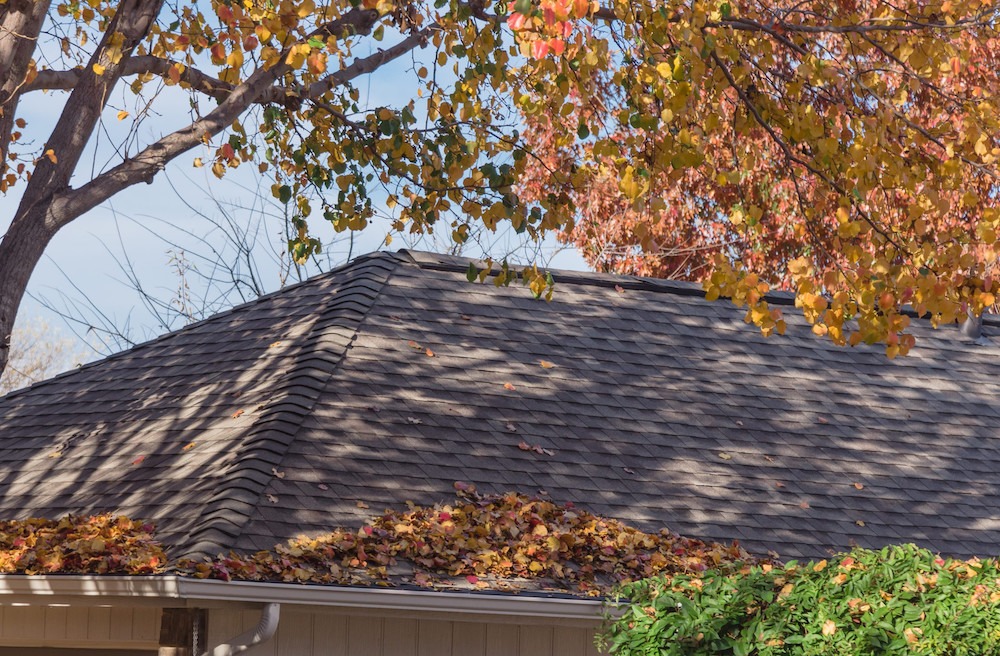
Leaves, branches, pine needles, and other debris can collect in roof valleys and other areas where water needs to drain. Wet debris may hold moisture against roofing materials and interfere with proper drainage.
After leaves have fallen, homeowners should visually check their roof from the ground for significant debris. Avoid walking on the roof yourself. A roofing professional can safely inspect areas that aren’t easily visible.
Don’t Wait for Fall Roof Problems to Become Winter Repairs
The best time to address roof damage is before harsh winter weather arrives. A professional fall roof inspection can identify damaged shingles, flashing problems, drainage issues, and other roof concerns that may not be obvious from the ground.
Taking care of smaller repairs now can help protect your home and reduce the chance of facing more extensive damage later.
Frequently Asked Questions About Fall Roofing
Is fall a good time to replace a roof?
Fall can be a good time for many roofing projects because temperatures are generally more moderate than during the hottest or coldest parts of the year. The right timing will depend on weather conditions, the roofing materials being installed, and the condition of your existing roof.
Should I inspect my roof after a major fall storm?
Yes. High winds, heavy rain, hail, and falling branches can damage roofing materials. Even if you don’t see an obvious problem, an inspection may reveal damage that isn’t easily visible from the ground.
Are granules in my gutters a sign of roof damage?
Some granule loss is normal with asphalt shingles, particularly when they are new. However, excessive granule accumulation may indicate that shingles are aging or deteriorating and should be evaluated.
Should tree branches be trimmed away from my roof?
Branches that hang over or touch your roof can scrape roofing materials and drop leaves and debris onto the surface. Damaged or weak branches may also fall during storms. Keeping trees properly trimmed can help reduce these risks.
Can I safely inspect my own roof?
Homeowners can look for visible problems from the ground, but climbing onto a roof can be dangerous and may damage roofing materials. A professional roofer can perform a closer inspection safely.
Prepare Your Northern Virginia Roof for Winter with K & M Roofing and Contracting
Don’t let a small fall roofing issue turn into an expensive winter repair. K & M Roofing and Contracting can inspect your roof, identify potential problems, and recommend the repairs needed to keep your home protected. Contact K & M Roofing and Contracting today to schedule a professional roof inspection and make sure your roof is ready for the colder months ahead.